


The 7 SEO Musts You Can’t Ignore in 2026
SEO in 2026 is not the same game we were playing even a year ago. With AI Overviews, zero-click behavior, and smarter search models deciding what users see before they ever reach your website, brands now need a strategy built for a world where Google thinks, summarizes, and predicts.
Think of your website like a detective in a mystery novel. Keywords are still the first clue, but in 2026, they are only the beginning. Your content now needs context, clarity, and real value to solve the full search puzzle. When keywords guide the topic and expertise shapes the story, Google rewards you with stronger visibility and trust.
Here are the SEO non-negotiables for 2026, along with the clues you need to solve the puzzle.
1. How to Create Content that Ranks in the Era of AI
AI is now the first reader of your content, but people are still your audience.
The must:
Create conversational, helpful, well-structured content that feels natural because AI models summarize your page before users even touch it.
Example:
If you wrote a blog titled “Why My AC Won’t Turn On,” include:
- A quick diagnosis list
- Plain-language steps
- A simple “what to check first” section
Google and AI Overviews love content that answers questions fast.

2. Strategies to Get Cited in Google's AI Overviews (SGE)
AI Overviews have reshaped click-through rates. Some industries see drops, others see more qualified traffic climbing the ranks.
The must:
Structure content so AI trusts and cites you by using:
- Clear headers
- Step-by-step formats
- Stat-rich or fact-rich explanations
- Schema markup for FAQs, How-Tos, or local business information
Example:
If you are a medical spa writing about semaglutide, turn a long paragraph into a “What It Is / How It Works / Who It Helps / What to Expect” format. This helps AI parse and quote your content.
3. Local SEO Ranking Factors
Local SEO is becoming hyper-granular and behavior-driven.
The must:
- Consistent Google Business Profile posting
- Localized pages such as “Knee Pain Treatment in Baton Rouge.”
- Geo-specific FAQs
- Local backlinks and directory accuracy
Example:
A GBP post about “Weekend Appointments Available in Baton Rouge” can appear in AI Overviews that are connected to real-time intent, such as “knee doctor near me open Saturday.”
4. Build Topical Authority Via Topic Clusters
Google wants to see that you own a topic, not just mention it.
Create topic clusters tied to your core services. For BlinkJar, this could be the Digital Ads pillar page, which demonstrates deep expertise in planning, optimizing, and measuring Google Ads performance. Building a cluster around this topic shows Google that you understand it from every angle.
Example:
For the Digital Ads pillar focused on Google Ads, supporting blogs might include:
- The Best Google Ads Targeting Strategies for Local Businesses
- The Benefits of Using Assets in Google Search Ads
- How AI Overviews Are Changing Google Ads Strategy in 2026
- How Performance Max Transformed Our Google Ads
Depth builds trust. Trust earns rankings.
5. Improving Core Web Vitals: UX as a Direct Ranking Factor
Google measures satisfaction more than ever.
The must:
- Fast load times
- Clear navigation
- No layout shifts
- Strong mobile experience
- Immediate visible value above the fold
Example:
If your page takes five seconds to load, a competitor with similar content but faster performance will outrank you.
6. How to Build Authority and Credibility
Google rewards real-world authority signals.
The must:
- Expert bios
- Author bylines
- Real-world citations
- Local PR
- Thought-leadership content
Your content should answer one question:
Why should Google believe you?
Example:
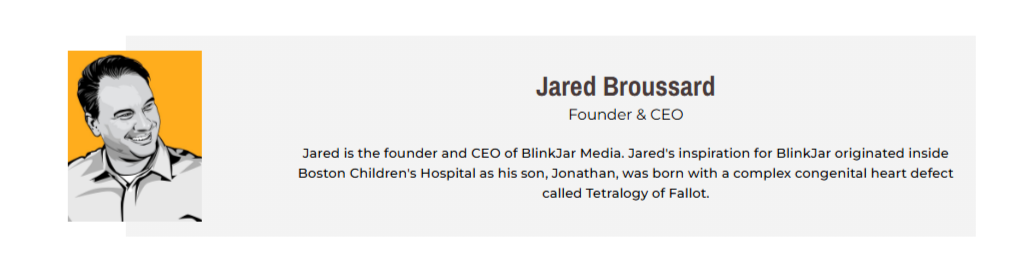
A blog written by
BlinkJar’s CEO, sharing over 30 years of digital marketing experience, instantly carries more authority than generic SEO advice published anonymously.
7. Visibility Optimization: Ranking for AI Overviews
With AI summaries, rankings do not always create traffic. But being consistently visible still influences decisions.
The must:
Shift part of your strategy to visibility optimization, which focuses on brand presence in:
- AI Overviews
- Local Pack
- Discover
- People Also Ask
- Social snippets
Example:
Your blog may be the cited source in an AI Overview. Users might not click, but they still saw your brand. That exposure still matters.
What’s the Big SEO Takeaway?
SEO in 2026 is less about playing the Google game and more about becoming the obvious and trusted answer.
Your website is the detective.
Your content is the evidence.
Your authority is the report that convinces the judge.
When you stitch everything together with clarity, expertise, and structure, Google chooses you as the solution, whether that is a blue link, an AI Overview snippet, or a local result.
How Can I Build a 2026 SEO Strategy?
BlinkJar Media can help you adapt, simplify, and optimize your marketing for the new search landscape without the constant stress of algorithm changes.
Just reach out, and we will guide you through it.