

Facebook: A Millennial's Swiss Army Knife

Anne Monk • July 12, 2016

I'll come out and say it. I've deactivated my Facebook. Several times, in fact. You have too, haven't you?


But something keeps us coming back. 


The last time I deactivated my Facebook was nearly four years ago. It was the fall of my junior year, and my productivity was at an all-time low. Facebook was an easy diversion, and I had pulled one too many all-nighters making up for my distraction, regardless of the social media-blocking apps I enthusiastically installed.


So I deactivated. But then, something wonderful happened.


My oldest sister got pregnant. She and her husband were living in Minnesota at the time, and though she regularly included me on updates and photos via email and text, I missed the congenial back-and-forth of our family’s private Facebook group.

And, despite my deactivation, I was as steadfast a procrastinator as ever.


So photos and family and fate brought my profile back to life, and I haven’t looked back.


Truly, this last reactivation made me realize that social media is what we allow it to be.


In the nine years since I first joined, I’ve seen the fall of the wall, the evolution of the timeline, the expansion of membership beyond educational systems to over 1 billion users worldwide, and the rise of Facebook as a primary news source, as well as a safety beacon in times of disaster and uncertainty. When I moved 800 miles away to attend the University of South Carolina, 650 miles back to start my post grad career, during the year I spent traversing the east coast as a field archaeologist, and even now when my life is relatively settled, Facebook serves as a daily newsletter, filled with friends, family, events, and opportunities.


Through technological leaps and population bounds, Facebook continues to offer information customized to current interests, while still allowing for growth with recommended topics, trending news, and offers based on your browsing habits.


Every minute, 510 comments, 293,000 status updates, and 136,000 photos are added to Facebook. It is the most-populated social network as well as the most-frequently visited. Seven years ago, my biggest fear was having my family join the almost unfathomably large social network that is Facebook. Now, I couldn’t see it any other way.


As an inbound marketer, it can be easy to fall into the story of the pie charts, line graphs, and tracking monitors. However, every time I open my Facebook, I’m reminded of the real reason Facebook is the largest social network in the world—it’s still personal. Facebook creates an environment in which everyone can engage. And they do.


But what does this romp into my personal history have to do with inbound marketing?


Content, my darlings. It’s all about content. Facebook—as well as every other social network—is only useful to its users if it is relevant, which is why it’s imperative for business pages to engage the user with informative and timely content. Likes. Shares. Comments. Searches. These interactions work within the algorithm to promote content that will keep the user engaged.


How does your business factor in? 
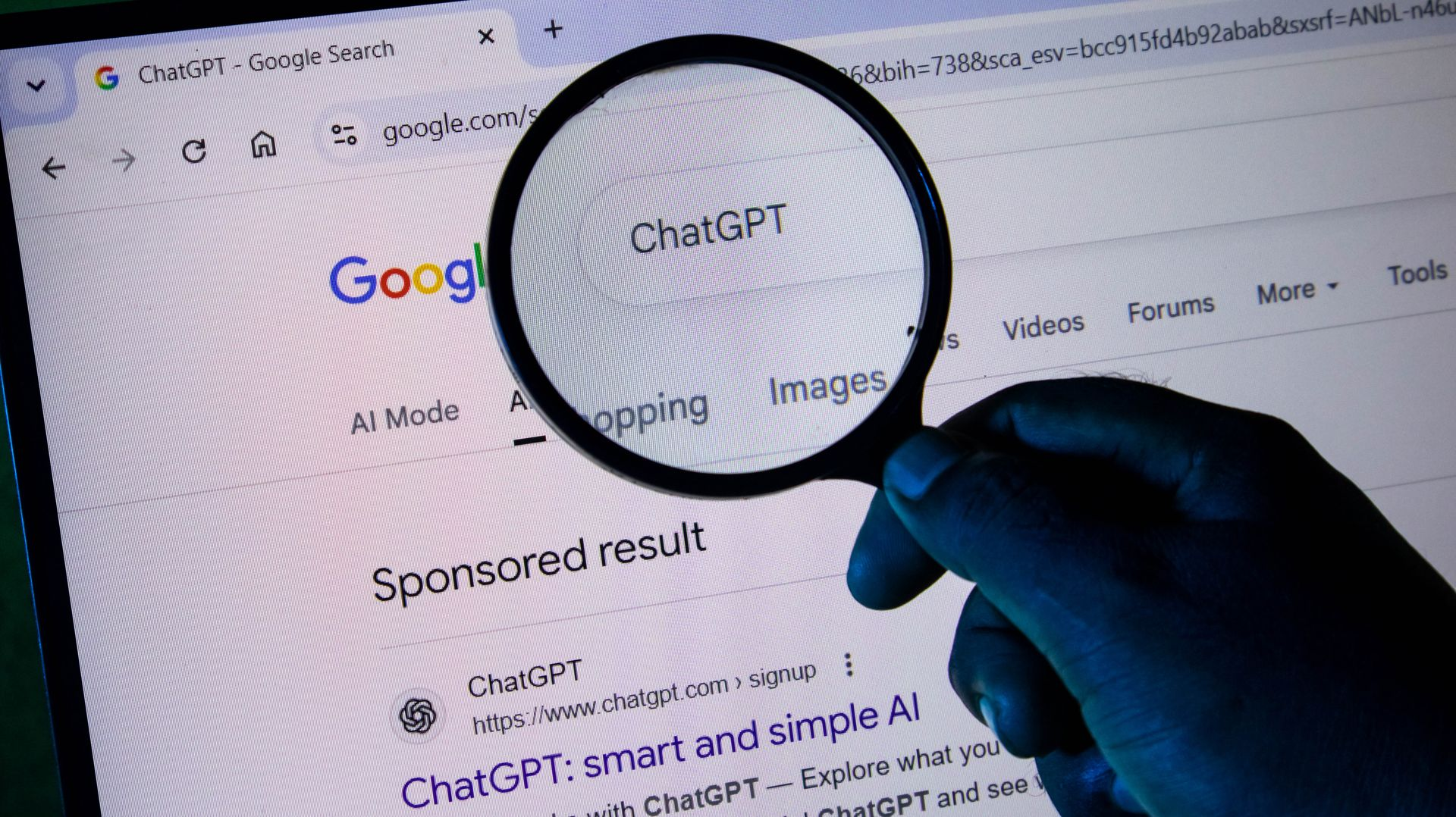

AEO is SEO
By Jared Broussard July 29, 2026
Is AEO replacing SEO? Learn why both rely on the same fundamentals to help businesses earn visibility, trust, and citations in AI search.
The fragmentation of search. Why Being Found Is No Longer Just About Google
By Rikki Broussard July 23, 2026
Your customers are still searching. They are just no longer searching in one place. They may start with Google, ask ChatGPT to compare their options, watch a YouTube video, look for examples on Instagram, read reviews, or open a map to find a nearby business. This does not mean your company needs to chase every new platform. It also does not mean SEO is dead. The best response to fragmented search is to strengthen the foundation you already have. Build a clear, credible website, answer the questions your customers ask, share real expertise, and ensure your business appears consistently on the platforms that matter to your audience. AEO, or Answer Engine Optimization , is part of that approach. It helps search engines and AI tools find and understand your answers, but it works best when it is built on strong SEO . Why Are Customers Searching in So Many Different Places? Customers are searching in more places because they now have more ways to find the type of information they want. Every Monday during our BlinkJar staff meeting, each person brings an industry update to discuss. One recent conversation about artificial intelligence and its impact on search reminded me of what happened to television. Jared, my husband and BlinkJar’s founder , spent years working in television. At one time, a few broadcast networks held most of the audience. Then cable created more choices. Streaming services, YouTube, social video, and on-demand programming divided attention even further. Television did not disappear. People gained more ways to watch. Search is moving in the same direction. A prospective customer may search Google for a service, ask an AI assistant to explain the differences between providers, watch a video to see how something works, and read reviews before visiting a company’s website. The challenge is not that Google has stopped working. It is that businesses can no longer assume every customer will begin there. Does My Business Still Need SEO? Yes, your business absolutely needs SEO as it remains the foundation of being discovered online. Google continues to drive valuable, high-intent traffic for businesses. A strong website also gives AI tools, maps, social platforms, and prospective customers a reliable place to learn who you are and what you offer. Your website needs clear service pages, useful location information, simple navigation, relevant internal links, and a sound technical structure. Search engines must be able to crawl, index, and understand your pages. Traditional SEO is not being replaced. It is supporting a larger discovery ecosystem. Think of your website as your company’s home base. Social media, maps, reviews, search engines, and AI tools may help customers find you, but your website is where you control the complete story.
Kingsley Working
By Kingsley Lavender July 20, 2026
Kingsley Lavender shares what he learned as a marketing intern at BlinkJar Media, including SEO, website updates, content marketing, and real-world agency experience.