

Marketing in Baton Rouge: What’s the Difference Between SEO and SEM?

Dan Davidson • June 20, 2017

There are a lot of umbrella terms out there, especially when it comes to technology. Often these words, phrases and jargon get interchanged, used inaccurately, and can be confusing. In the marketing world which is overlapping more and more with technology, this is a common occurrence; and the speed at which strategies and devices are evolving, this is understandable. Two practices that are vital in today’s digital landscape, SEO and SEM can be easy to mix up, and while they are similar, they are still different. Just like every shortstop is a baseball player, not every baseball player is shortstop. Search engine optimization and search engine marketing follow this same transitive pattern. SEO is SEM, but not all SEM is SEO. Let’s take a closer look at the differences between the two.


What is SEO?

SEO, or search engine optimization, is the practice of optimizing your website to be found organically in search. The ultimate goal behind SEO is to make your website and content understandable to search engine algorithms. The more your site, its details, and offerings are in line with what is being searched, the better your chances are to be found by an engaged audience. Here are a few tips on how to leverage SEO for your site:


  • Include targeted keywords in your page titles
  • Use well formatted URLs
  • Include H1 tags
  • Use alt image tags


What is SEM?

SEM, or search engine marketing, is the practice of using all of the tools at your disposal to enhance your brand’s, organization’s, or business’ presence on SERPs (search engine results pages). SEO is half of this formula; the other half comes by the way of paid search advertising, or pay-per-click. So what’s the difference between paid and organic? Organic search results (achieved through SEO) are free. However, achieving these results comes through hard work like content creation, page optimization, and keyword analysis. Once earned, these organic results can offer a long standing SERP placement. Paid on the other hand is a quick and direct way to put your site at the top of the page for a search query. While there is an investment included with this strategy, it does offer immediate exposure. Implementing both of these strategies is what encompasses SEM. While focusing on organic or paid separately can be beneficial, organization’s that use both are more effective at meeting their goals. 


So there we have it, the difference between SEO and SEM. To recap, SEO is a specific tactic used for increasing your organic web presence. SEM on the other hand is a complete strategy designed to leverage the power of search engines to deliver your content to engaged, relevant searchers. BlinkJar Media is a digital marketing agency that helps businesses achieve their lead generation goals through SEM.

AEO is SEO
By Jared Broussard July 29, 2026
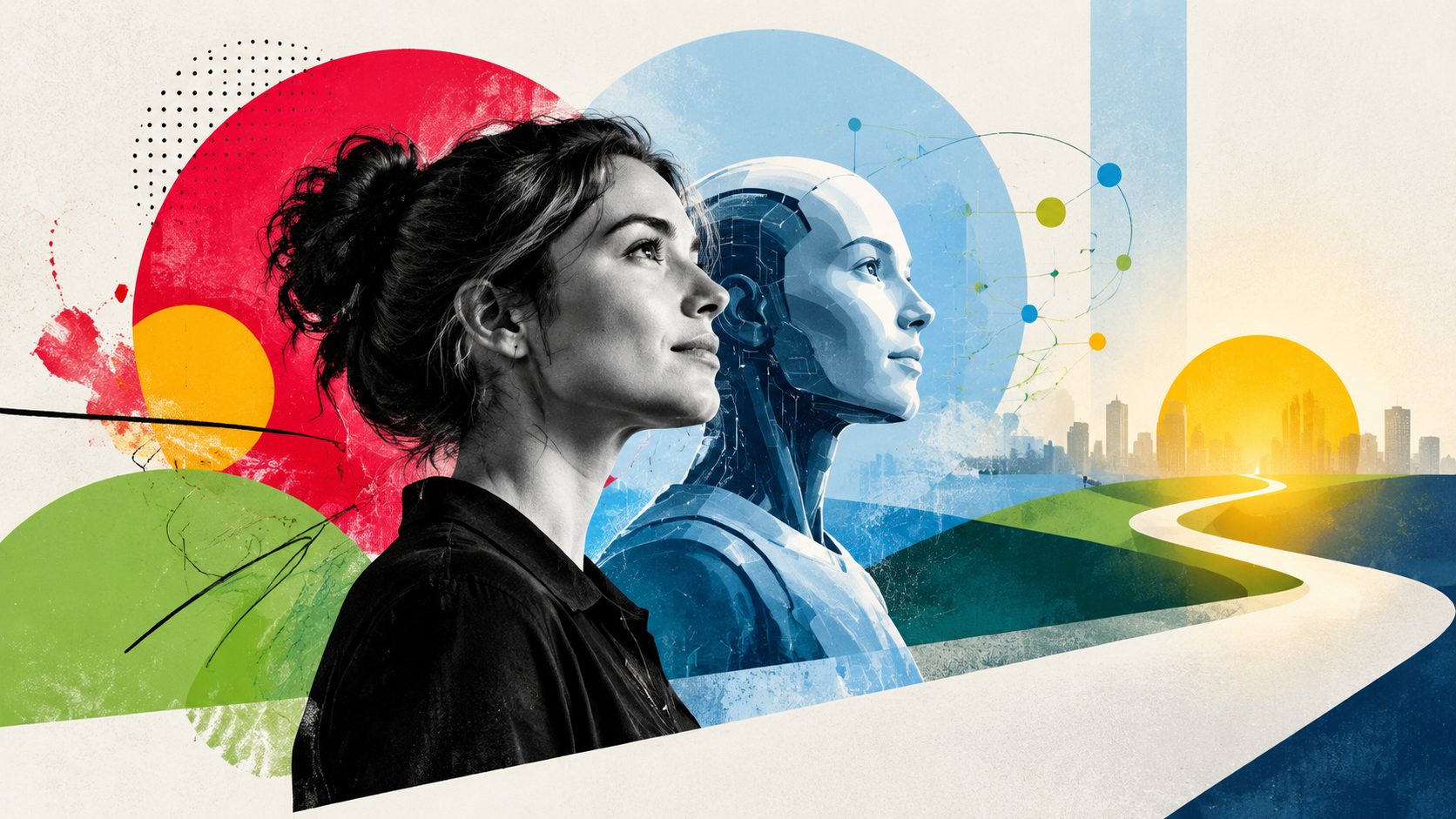
Is AEO replacing SEO? Learn why both rely on the same fundamentals to help businesses earn visibility, trust, and citations in AI search.
The fragmentation of search. Why Being Found Is No Longer Just About Google
By Rikki Broussard July 23, 2026
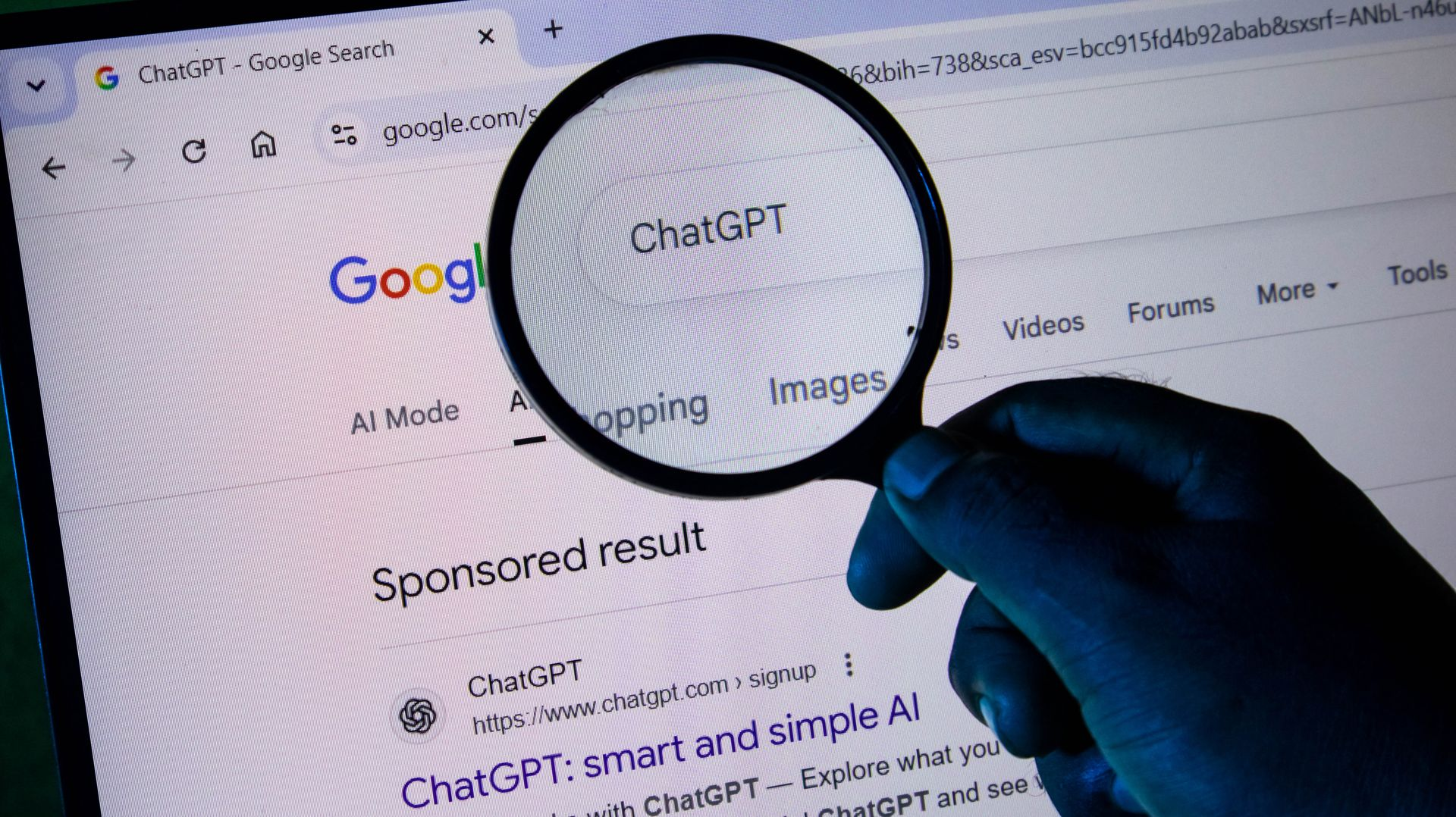
Your customers are still searching. They are just no longer searching in one place. They may start with Google, ask ChatGPT to compare their options, watch a YouTube video, look for examples on Instagram, read reviews, or open a map to find a nearby business. This does not mean your company needs to chase every new platform. It also does not mean SEO is dead. The best response to fragmented search is to strengthen the foundation you already have. Build a clear, credible website, answer the questions your customers ask, share real expertise, and ensure your business appears consistently on the platforms that matter to your audience. AEO, or Answer Engine Optimization , is part of that approach. It helps search engines and AI tools find and understand your answers, but it works best when it is built on strong SEO . Why Are Customers Searching in So Many Different Places? Customers are searching in more places because they now have more ways to find the type of information they want. Every Monday during our BlinkJar staff meeting, each person brings an industry update to discuss. One recent conversation about artificial intelligence and its impact on search reminded me of what happened to television. Jared, my husband and BlinkJar’s founder , spent years working in television. At one time, a few broadcast networks held most of the audience. Then cable created more choices. Streaming services, YouTube, social video, and on-demand programming divided attention even further. Television did not disappear. People gained more ways to watch. Search is moving in the same direction. A prospective customer may search Google for a service, ask an AI assistant to explain the differences between providers, watch a video to see how something works, and read reviews before visiting a company’s website. The challenge is not that Google has stopped working. It is that businesses can no longer assume every customer will begin there. Does My Business Still Need SEO? Yes, your business absolutely needs SEO as it remains the foundation of being discovered online. Google continues to drive valuable, high-intent traffic for businesses. A strong website also gives AI tools, maps, social platforms, and prospective customers a reliable place to learn who you are and what you offer. Your website needs clear service pages, useful location information, simple navigation, relevant internal links, and a sound technical structure. Search engines must be able to crawl, index, and understand your pages. Traditional SEO is not being replaced. It is supporting a larger discovery ecosystem. Think of your website as your company’s home base. Social media, maps, reviews, search engines, and AI tools may help customers find you, but your website is where you control the complete story.
Kingsley Working
By Kingsley Lavender July 20, 2026
Kingsley Lavender shares what he learned as a marketing intern at BlinkJar Media, including SEO, website updates, content marketing, and real-world agency experience.