

I Took a Nap, Because Arianna Huffington Told Me To

Lindsey Blanchard • September 20, 2013

One month ago, the team from BlinkJar Media, along with over 5,000 others, descended on the Hynes Convention Center in Boston for HubSpot’s Inbound 13 conference. We were given a large variety of learning sessions to choose from daily, along with addresses from keynote speakers twice a day. Naturally, we were excited to hear from the likes of HubSpot founders, Brian Halligan and Dharmesh Shah, or from the father of inbound marketing, Seth Godin. They all delivered amazing keynotes. However, as you may have guessed from the title, the focus of this blog is an address delivered by Huffington Post founder, Arianna Huffington.

I was excited to hear Ms. Huffington speak. She has built quite an empire, after all. Yet, I didn’t know what to expect from her presentation – perhaps her own story of entrepreneurial success. What I did not expect to hear about was the glorious benefits of sleep, or more specifically, the need to reverse our nation’s culture of corporate burnout.


If you’ve ever read Arianna’s own blog post, “How to Sleep Your Way to the Top – Literally,” then you are probably already familiar with her thoughts on the matter. But, just in case you haven’t, allow me to share some of the more notable points with you. In this piece, she points to NY Times article in which it is stated that roughly 41 million Americans, or nearly 1/3 of the adult, working population, get 6 or less hours of sleep each night. Take into consideration that science shows at least 7-8 hours as optimal, and you’ll begin to understand why this is a big deal. In her own words, “creativity, ingenuity, confidence, leadership, [and] decision making” are all heavily impacted by the amount of sleep we get. 


What does this have to do with BlinkJar? 


The fact is, most of us push ourselves too hard nowadays. We operate on too few hours of sleep, sacrifice time with family, and give up on activities we once enjoyed, all in the name of success, never realizing that we may actually be impeding our success. Fortunately, companies such as Huffington Post and HubSpot have recognized this trend of corporate burnout and have designed their culture to alleviate it. On a local level in Baton Rouge, LA, BlinkJar is doing the same thing. 


At BlinkJar, we have a culture that is focused on wellbeing, one that recognizes that we are more productive and deliver better work when we are happier. After all, isn’t a company only as good as its employees and the quality of work they produce?  Inbound marketing in particular requires our best. We are developing the brand, voice, and reputation for clients who have invested in us. They have trusted us with one of their most precious assets: their business. Don’t we owe them the best work possible? 


Thanks to our culture, we’re able to do just that. We work hard, but we’re allowed to make our own personal wellbeing a priority as well. It’s what keeps us motivated, and quite honestly, it’s why we’re all here. We love what we do, but we’re also able to do it in an atmosphere we enjoy. It all adds up to a better client experience.


What does this have to do with your business?


Of course, this may all sound well and good for an inbound marketing agency. Those internet guys are a little crazy anyway, right? I mean, think of Google. They have slides (WEEE!!) in their office for goodness sake! But studies are showing that corporate culture truly does matter and is very much tied to your bottom line, regardless of the industry. In fact, a combined study by several universities of 759 businesses in 17 different countries found organizational culture is the “single greatest factor in the success of innovative companies.” That’s huge!


A study by Harvard Business School professors uncovered the same results, determining that those companies with a focus on corporate culture fared far better than their competitors. We’ve seen it time and time again: the most inspiring stories of true success nearly always come from environments that also offer inspiring culture. 


Granted, the culture of your organization won’t be the same as that of the Huffington Post, HubSpot, or even BlinkJar. It shouldn’t. It should be unique to you. However, the benefit that you stand to gain from happy and inspired employees is immeasurable. So, let’s all take a little advice from Arianna Huffington. Relax, slow down, and take a nap. You’ll be glad you did.

The fragmentation of search. Why Being Found Is No Longer Just About Google
By Rikki Broussard July 23, 2026
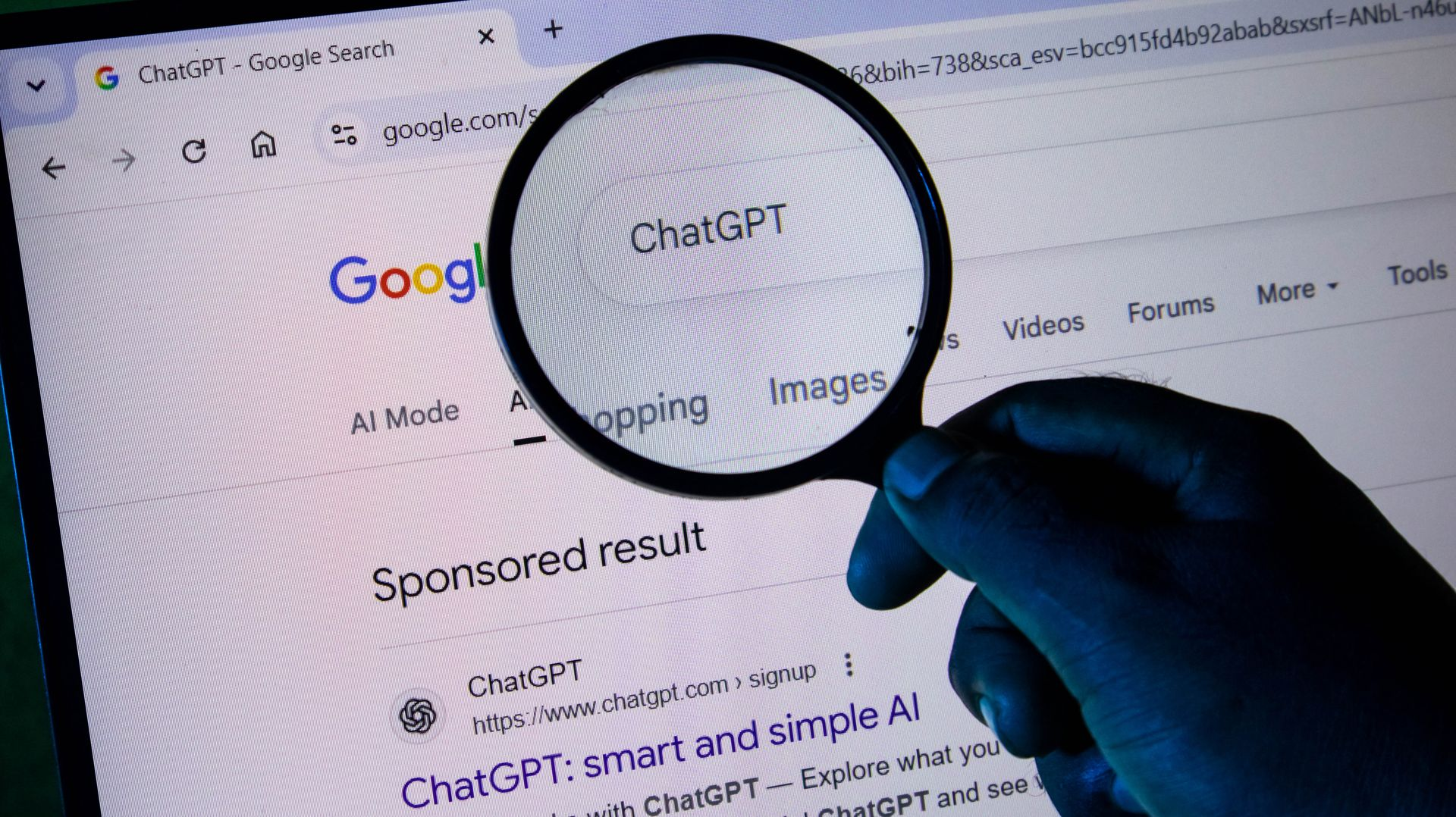
Your customers are still searching. They are just no longer searching in one place. They may start with Google, ask ChatGPT to compare their options, watch a YouTube video, look for examples on Instagram, read reviews, or open a map to find a nearby business. This does not mean your company needs to chase every new platform. It also does not mean SEO is dead. The best response to fragmented search is to strengthen the foundation you already have. Build a clear, credible website, answer the questions your customers ask, share real expertise, and ensure your business appears consistently on the platforms that matter to your audience. AEO, or Answer Engine Optimization, is part of that approach. It helps search engines and AI tools find and understand your answers, but it works best when it is built on strong SEO . Why Are Customers Searching in So Many Different Places? Customers are searching in more places because they now have more ways to find the type of information they want. Every Monday during our BlinkJar staff meeting, each person brings an industry update to discuss. One recent conversation about artificial intelligence and its impact on search reminded me of what happened to television. Jared, my husband and BlinkJar’s founder , spent years working in television. At one time, a few broadcast networks held most of the audience. Then cable created more choices. Streaming services, YouTube, social video, and on-demand programming divided attention even further. Television did not disappear. People gained more ways to watch. Search is moving in the same direction. A prospective customer may search Google for a service, ask an AI assistant to explain the differences between providers, watch a video to see how something works, and read reviews before visiting a company’s website. The challenge is not that Google has stopped working. It is that businesses can no longer assume every customer will begin there. Does My Business Still Need SEO? Yes, your business absolutely needs SEO as it remains the foundation of being discovered online. Google continues to drive valuable, high-intent traffic for businesses. A strong website also gives AI tools, maps, social platforms, and prospective customers a reliable place to learn who you are and what you offer. Your website needs clear service pages, useful location information, simple navigation, relevant internal links, and a sound technical structure. Search engines must be able to crawl, index, and understand your pages. Traditional SEO is not being replaced. It is supporting a larger discovery ecosystem. Think of your website as your company’s home base. Social media, maps, reviews, search engines, and AI tools may help customers find you, but your website is where you control the complete story. 
Kingsley Working
By Kingsley Lavender July 20, 2026
Kingsley Lavender shares what he learned as a marketing intern at BlinkJar Media, including SEO, website updates, content marketing, and real-world agency experience.
By Caroline Thaxton July 10, 2026
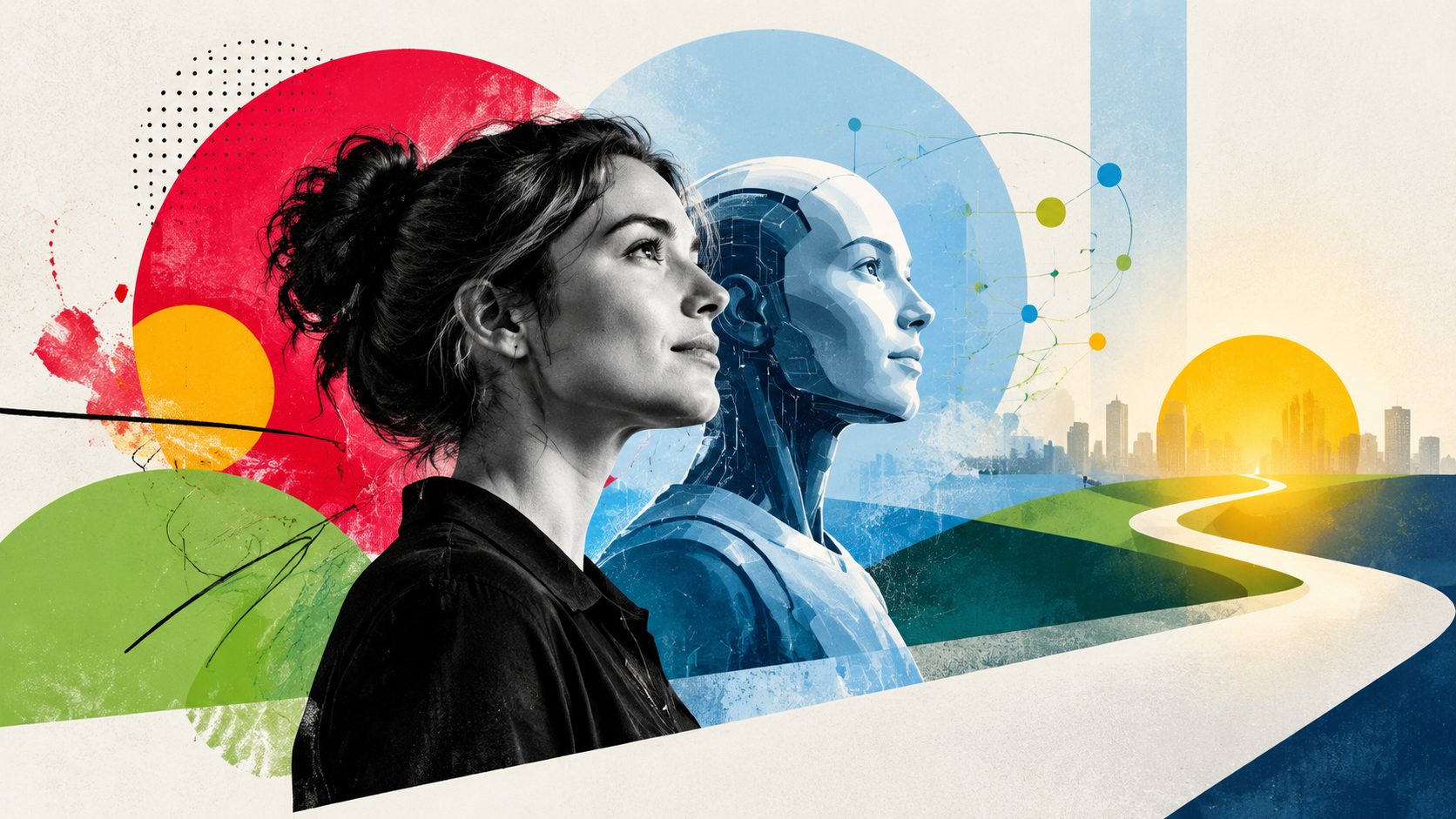
Artificial intelligence is changing the way businesses approach content marketing , social media marketing , and digital communications. AI can generate ideas, streamline workflows, and help marketers create content faster than ever before. At Blinkjar, we embrace AI as a powerful tool, but we also know the most impactful marketing still begins with something technology can't replicate: a genuine human connection. As a Creative Content Specialist at Blinkjar , some of my most valuable work happens away from my desk. Meeting with clients, visiting their businesses, and building real relationships gives me a deeper understanding of who they are and what makes their brands unique. Those face-to-face interactions help me create authentic content that reflects each client's personality , values, and story. Can AI Really Tell Your Brand's Story? Every business has a story worth telling . While AI can help organize information, brainstorm ideas, and improve efficiency, it can't experience a company's culture, observe customer interactions, or hear the passion behind why a business was started. That’s why every interaction matters. Whether we’re on a call, exchanging emails, meeting in person, capturing photos and videos, or simply talking through new ideas, each touchpoint helps us better understand the businesses we support. These conversations allow us to see how a brand operates, hear the stories behind the work, and uncover the details that make it unique. Those real insights often become the foundation for stronger content because they reveal perspectives that AI simply can’t generate. How Do Client Conversations Lead to Better Content Marketing? The more time I spend with the businesses we support, the better I can represent their brand. Photoshoots are one way those connections happen, but many of my strongest content ideas come from everyday conversations, planning calls, emails, meetings, and moments when a client shares something we would not have known otherwise. Those small details often become the difference between content that feels generic and content that feels true to the brand. Whether we're discussing a new project, talking through their day-to-day operations, or simply catching up, those conversations give me the context I need to write content that's accurate, authentic, and true to their voice. Instead of relying on assumptions, I can pull directly from their experiences, expertise, and personality . That's what transforms content from informative to meaningful.