

Top 5 Chrome Extensions for SEO

Jennifer Hochman • August 25, 2021

When it comes to successful inbound marketing and SEO, marketers are always looking for new ways to stay on top of an ever-evolving industry. Thankfully, Google Chrome has some beneficial and efficient extensions that help us perform our role well and keep up-to-date with the latest trends.


Grade Your SEO

MozBar


MozBar is a free extension with premium features. With the free version, you can view on-page SEO, Domain Authority, and more from any webpage in the bar at the top of the page. These metrics allow you to export and compare links on a Search Engine Results Page (SERP) as a CSV file, view a website’s Domain Authority, Page Authority, and see on-page elements.


SEOQuake


This free plugin is a gift from SEMRush. While some extensions are suitable for webpages or SERPs, this one is good for both. With just this one extension, you can check your on-page SEO, mobile compatibility, social stats, and so much more.


SEO Minion


There are several platforms available for deep SEO analysis, but sometimes it helps to have a quick overview at a glance. SEO Minion is a free extension that allows you to quickly analyze on-page SEO, highlight all page links, check for broken links, and discover other helpful SEO data.


Tools to Research Keywords

Keywords Everywhere


Keywords Everywhere is a freemium tool used for, you guessed it, keyword research. On your SERP, Keywords Everywhere will show you popular keywords, longtail keywords, and other similar searches based on your search terms. premium features will also allow you to see Cost Per Click (CPC) data and monthly search volume.


Organizational Tools for Content Creation

Snippet Highlighter


When researching for a blog, it can be tough to keep track of all your sources. With the Snippet Highlighter, that is never an issue again. When you find information on a website or in a PDF that you want to use as a reference, select it with your cursor. The extension will then bring up a pallet of color options for your highlight. Once selected, the website is saved in the Snippet Highlighter extension for easy reference. When you click the link in the extension, it will take you back to the exact place you highlighted on the page. Considering that content always has and always will be a major component of SEO, this tool can quickly prove invaluable to help marketers organize sources and create authoritative content that can improve both searchability and site performance. If you need additional options, such as managing links within folders, you can pay a subscription fee to add extra features.


With constant changes in the marketing world, having a few extra tools up your sleeve never hurts. With Google Chrome Extensions, it’s easier than ever to have your tools where you need them the most: right on the page. If your business needs help with inbound marketing and SEO, our team at BlinkJar is ready to help you succeed.

GRADE YOUR WEBSITE
The fragmentation of search. Why Being Found Is No Longer Just About Google
By Rikki Broussard July 23, 2026
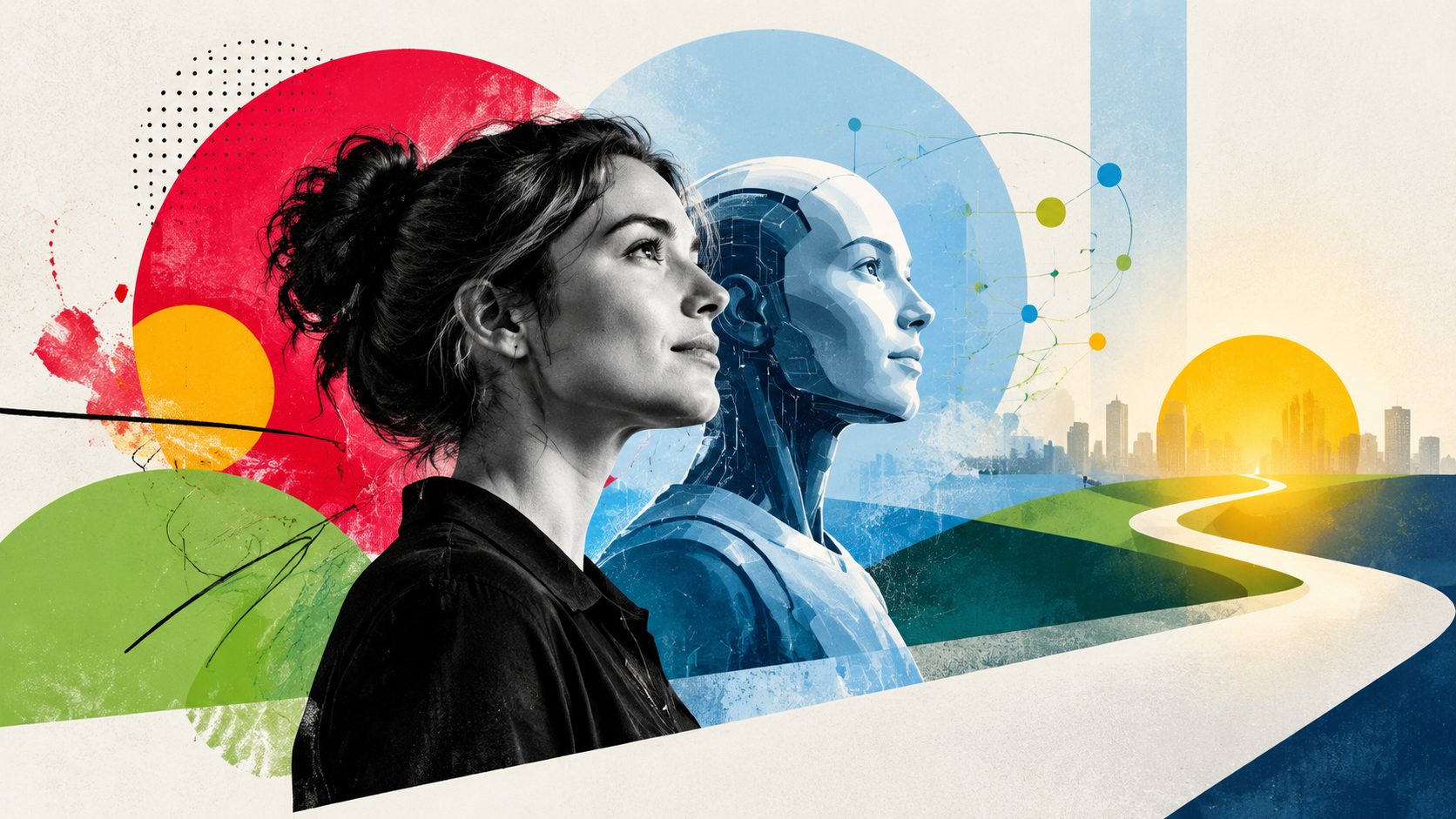
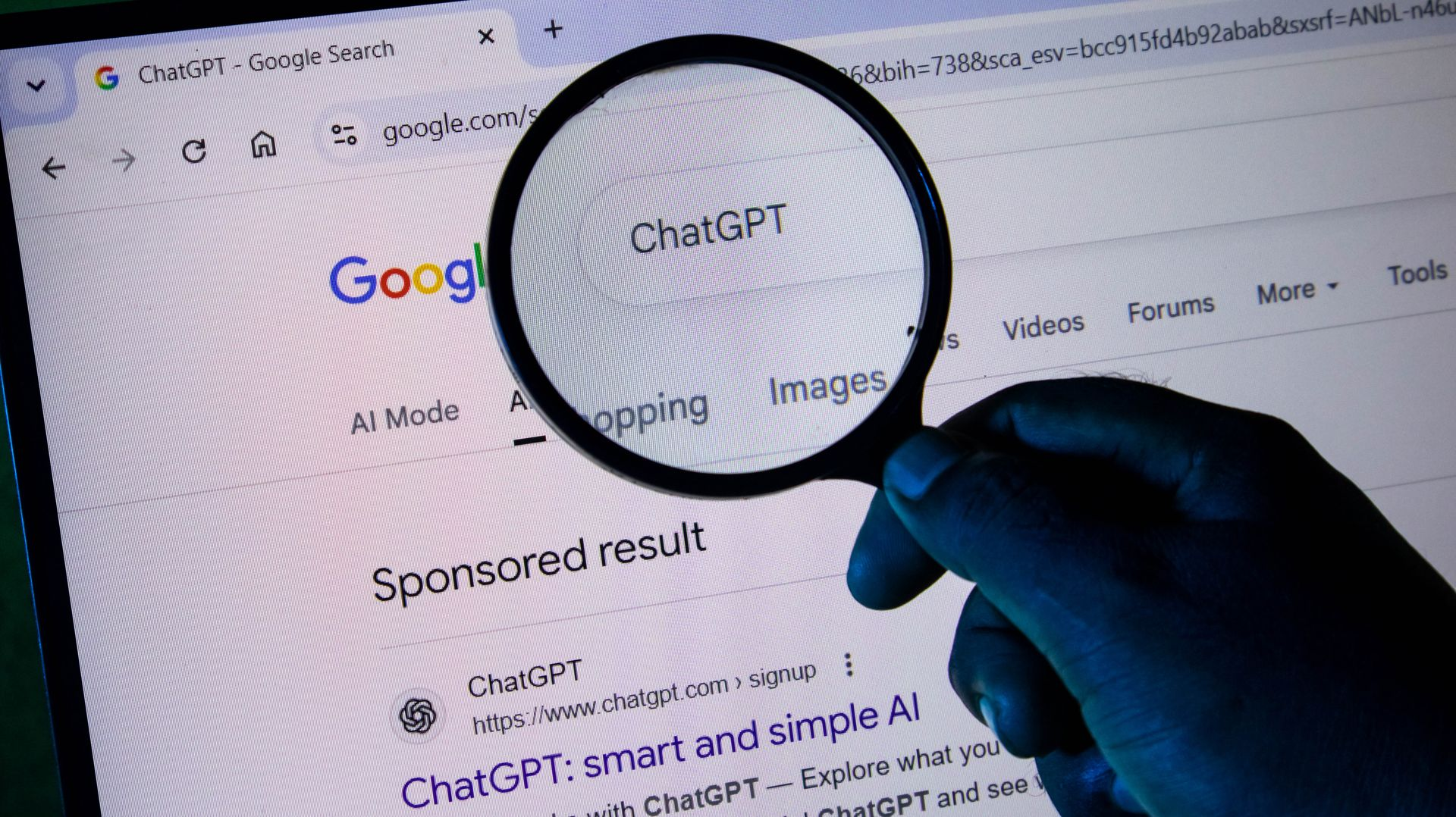
Your customers are still searching. They are just no longer searching in one place. They may start with Google, ask ChatGPT to compare their options, watch a YouTube video, look for examples on Instagram, read reviews, or open a map to find a nearby business. This does not mean your company needs to chase every new platform. It also does not mean SEO is dead. The best response to fragmented search is to strengthen the foundation you already have. Build a clear, credible website, answer the questions your customers ask, share real expertise, and ensure your business appears consistently on the platforms that matter to your audience. AEO, or Answer Engine Optimization, is part of that approach. It helps search engines and AI tools find and understand your answers, but it works best when it is built on strong SEO . Why Are Customers Searching in So Many Different Places? Customers are searching in more places because they now have more ways to find the type of information they want. Every Monday during our BlinkJar staff meeting, each person brings an industry update to discuss. One recent conversation about artificial intelligence and its impact on search reminded me of what happened to television. Jared, my husband and BlinkJar’s founder , spent years working in television. At one time, a few broadcast networks held most of the audience. Then cable created more choices. Streaming services, YouTube, social video, and on-demand programming divided attention even further. Television did not disappear. People gained more ways to watch. Search is moving in the same direction. A prospective customer may search Google for a service, ask an AI assistant to explain the differences between providers, watch a video to see how something works, and read reviews before visiting a company’s website. The challenge is not that Google has stopped working. It is that businesses can no longer assume every customer will begin there. Does My Business Still Need SEO? Yes, your business absolutely needs SEO as it remains the foundation of being discovered online. Google continues to drive valuable, high-intent traffic for businesses. A strong website also gives AI tools, maps, social platforms, and prospective customers a reliable place to learn who you are and what you offer. Your website needs clear service pages, useful location information, simple navigation, relevant internal links, and a sound technical structure. Search engines must be able to crawl, index, and understand your pages. Traditional SEO is not being replaced. It is supporting a larger discovery ecosystem. Think of your website as your company’s home base. Social media, maps, reviews, search engines, and AI tools may help customers find you, but your website is where you control the complete story. 
Kingsley Working
By Kingsley Lavender July 20, 2026
Kingsley Lavender shares what he learned as a marketing intern at BlinkJar Media, including SEO, website updates, content marketing, and real-world agency experience.
By Caroline Thaxton July 10, 2026
Artificial intelligence is changing the way businesses approach content marketing , social media marketing , and digital communications. AI can generate ideas, streamline workflows, and help marketers create content faster than ever before. At Blinkjar, we embrace AI as a powerful tool, but we also know the most impactful marketing still begins with something technology can't replicate: a genuine human connection. As a Creative Content Specialist at Blinkjar , some of my most valuable work happens away from my desk. Meeting with clients, visiting their businesses, and building real relationships gives me a deeper understanding of who they are and what makes their brands unique. Those face-to-face interactions help me create authentic content that reflects each client's personality , values, and story. Can AI Really Tell Your Brand's Story? Every business has a story worth telling . While AI can help organize information, brainstorm ideas, and improve efficiency, it can't experience a company's culture, observe customer interactions, or hear the passion behind why a business was started. That’s why every interaction matters. Whether we’re on a call, exchanging emails, meeting in person, capturing photos and videos, or simply talking through new ideas, each touchpoint helps us better understand the businesses we support. These conversations allow us to see how a brand operates, hear the stories behind the work, and uncover the details that make it unique. Those real insights often become the foundation for stronger content because they reveal perspectives that AI simply can’t generate. How Do Client Conversations Lead to Better Content Marketing? The more time I spend with the businesses we support, the better I can represent their brand. Photoshoots are one way those connections happen, but many of my strongest content ideas come from everyday conversations, planning calls, emails, meetings, and moments when a client shares something we would not have known otherwise. Those small details often become the difference between content that feels generic and content that feels true to the brand. Whether we're discussing a new project, talking through their day-to-day operations, or simply catching up, those conversations give me the context I need to write content that's accurate, authentic, and true to their voice. Instead of relying on assumptions, I can pull directly from their experiences, expertise, and personality . That's what transforms content from informative to meaningful.