

3 Google AdWords Tips for Your Baton Rouge Business
This is a good time of the year to look back across our most recent calendar of experiences. There are memories and lessons that we can reflect upon, but also memories and lessons that can help us plan. Maybe it’s something we would do differently, or something we would do more of; but no matter the case, they can be put to good use. This has been true for marketing and advertising since the first ad was purchased in 1836 in the French newspaper, La Presse, and is even more imperative now in the digital world.
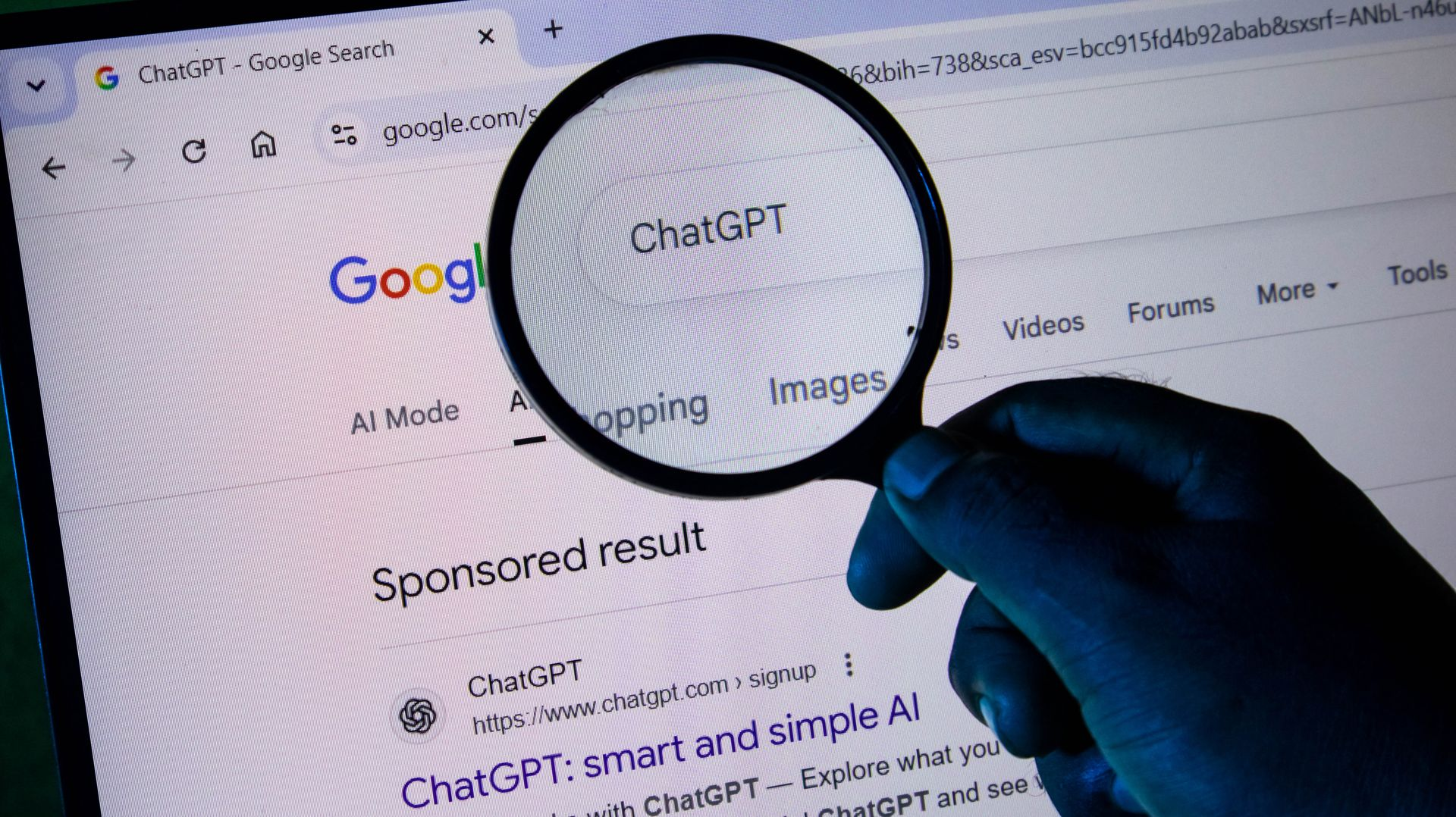
It’s obvious that consumers have more options, avenues, channels, sources, and overall media to sift through, digest, and ultimately be engaged by. Which means as advertisers, marketers, and business owners, we have a savvy, oversaturated, numb audience with which we are striving to impress and attract. Gone are the days where we can effectively blast a message across a mass medium, hoping that something sticks and creates a return. In the wake of this decline of efficacy has risen a highly effective, measurable, and controllable platform; Google AdWords.
The idea behind AdWords is to let Google’s sophisticated algorithm offer solutions to queries that are asked directly from (and here’s the best part) an engaged audience. The best part is, you only pay if this interested party actually clicks on your ad (hence the term, Pay Per Click, or PPC). But this platform is as sophisticated as it is constantly changing. This means that your approach, no matter how tried and true needs to continue to adapt. Just earlier this year Google made a change that literally changed the face of AdWords. For years ads were served at the top of the SERP (search engine results page), at the bottom of the SERP, and down the right hand side of the SERP. Well last February (2016) Google did away with a significant chunk of real estate that occupied the right side of any and every search query result. With fewer ads being served, this sent digital advertisers scrambling to predict what the fallout of this would be. Largely, there was none. Good ads and strategy continued to be rewarded with an optimal placement. However, this is just one recent, real life example of why we need to look back, and also look forward. Here are 3 tips to jumpstart your AdWords efforts for the coming year.
Break Out the Thesaurus – Expanded Character Limit for Text Ads
One collateral change that occurred from Google’s February redesign is that there is now more space for text in your ads. This means you can expand upon what you need to say in your ad, hopefully encouraging a higher click-through rate.
Keep Your Eyes on the Prize – Improve Your AdWords Quality Score
As John Madden would say, the team with highest score usually wins the game. The same is true on the gridiron of pay per click. Again, with less ad space available, the quality score of your ad will determine your placement, if any. So focus on the keywords on which you bid, the language in your ad, and the optimization of your landing page.
Aim for the Pocket – A Focus on Mobile is Vital
The believed push to move away from the right hand column ads was to align the desktop experience with the mobile experience (where these ads didn’t show up). In 2014 the see-saw finally tipped in favor of mobile usage over desktop. This trend has done nothing but grow, and that’s not expected to stop anytime soon. With this being the case, your advertising strategy should be focused on where your potential customer’s and client’s eyeballs are, their phone. Ads can be optimized for mobile; your website (and subsequent landing page) should have a responsive design that allows for it to adjust to any device.
These are only a few tips to get your new year off on the right foot. There will undoubtedly be many more over the next several months. When it comes to an effective, efficient, productive AdWords campaign there can be a lot of challenges. This is where a certified Google Partner can really enhance your efforts, and ROI. BlinkJar Media is a full-service marketing agency based in Baton Rouge, Louisiana and is also a Google Partner certified in AdWords and other Google disciplines.