

3 Best Practices for Businesses on Social Media

Jessica Schlorke • March 6, 2020

Although social media is an ever-changing landscape, there are certain key approaches you can take to garner the most engagement from your audience. Whether it’s Facebook, Twitter, Instagram, or LinkedIn, be intentional about what, when, and how often you are sharing content online. Here are three best practices that will help you get the most out of social media.


Quality Over Quantity in Social Media Posts

Facebook has consistently proven to be the most popular social media platform, boasting 2.37 billion monthly active users. However, this doesn’t necessarily mean that you should post more often — quality always wins over quantity. At most, post once per day to avoid over-saturating your timeline. Your posts should be relevant and timely and should provide your audience with some sort of value. Don’t post just for the sake of posting; instead, spend a few minutes brainstorming the best way to connect.


Post a Variety of Content to Your Business’s Social Media Feeds

Don’t let your posts become stale! Grab the attention of your audience by posting a variety of content like blogs, videos, graphics and relevant articles. In addition to industry-related news, it’s a great idea to also include personalized posts in your social media plan. For example, simply wishing an employee a happy birthday online can help to humanize your brand and resonate with users on a different level.


Inspire Engagement with Your Social Media Captions

Although your caption may be short, it can still be used to grab the user’s attention. If relevant, ask a question in your caption. For example, on a post detailing the best meals to aid in digestion, ask the user to share his or her favorite high-fiber foods.

Another great use of your caption is to include a CTA, or a call-to-action. For example, if you want to increase RSVPs at your restaurant, include a reminder with a link to the web page on all relevant posts. Sometimes, all you need to do to increase traffic to your website is to remind your readers! Including prompts like these in your caption will inspire engagement and get the conversation started, thus improving your reach on social media.



AEO is SEO
By Jared Broussard July 29, 2026
Is AEO replacing SEO? Learn why both rely on the same fundamentals to help businesses earn visibility, trust, and citations in AI search.
The fragmentation of search. Why Being Found Is No Longer Just About Google
By Rikki Broussard July 23, 2026
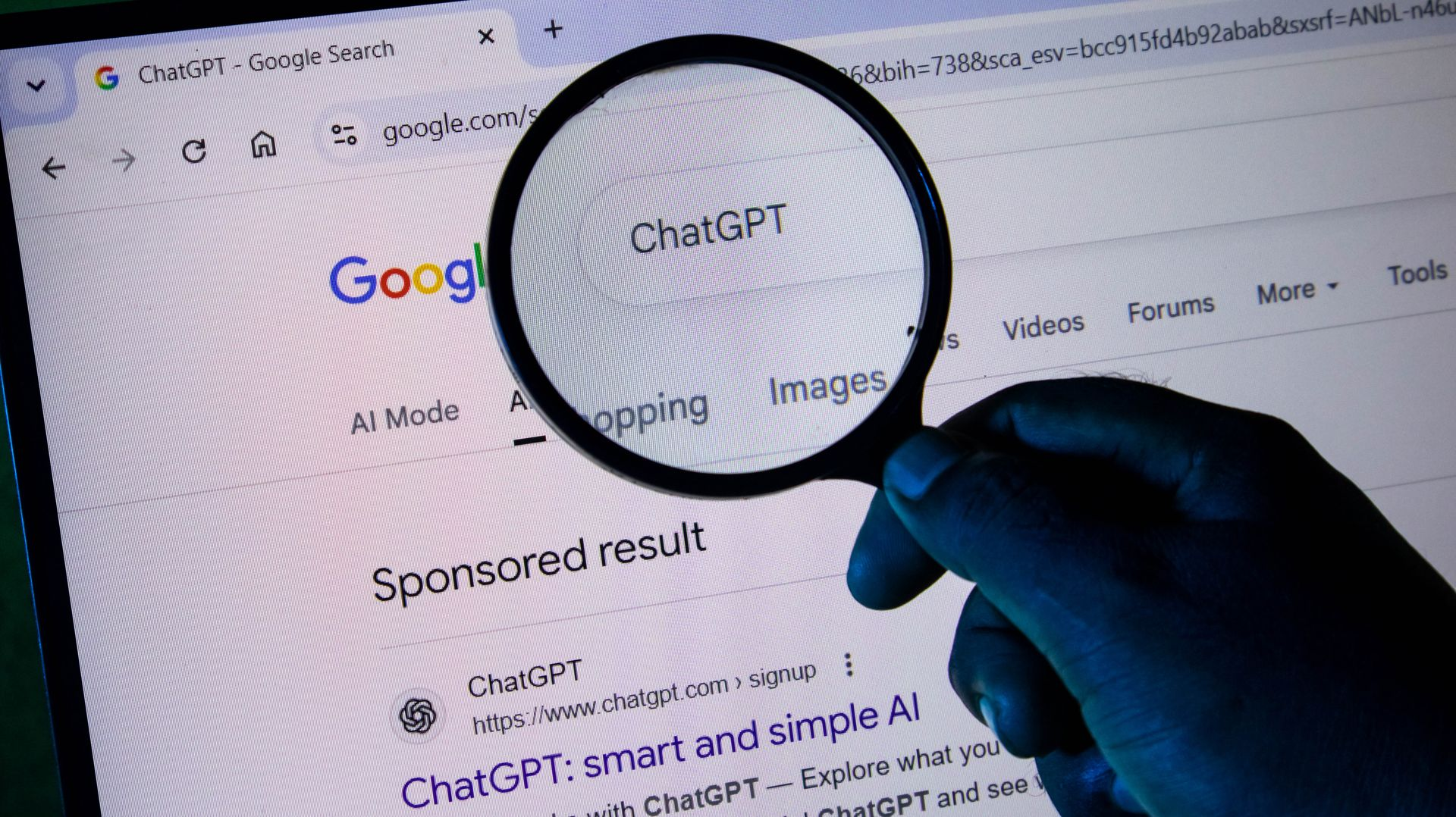
Your customers are still searching. They are just no longer searching in one place. They may start with Google, ask ChatGPT to compare their options, watch a YouTube video, look for examples on Instagram, read reviews, or open a map to find a nearby business. This does not mean your company needs to chase every new platform. It also does not mean SEO is dead. The best response to fragmented search is to strengthen the foundation you already have. Build a clear, credible website, answer the questions your customers ask, share real expertise, and ensure your business appears consistently on the platforms that matter to your audience. AEO, or Answer Engine Optimization , is part of that approach. It helps search engines and AI tools find and understand your answers, but it works best when it is built on strong SEO . Why Are Customers Searching in So Many Different Places? Customers are searching in more places because they now have more ways to find the type of information they want. Every Monday during our BlinkJar staff meeting, each person brings an industry update to discuss. One recent conversation about artificial intelligence and its impact on search reminded me of what happened to television. Jared, my husband and BlinkJar’s founder , spent years working in television. At one time, a few broadcast networks held most of the audience. Then cable created more choices. Streaming services, YouTube, social video, and on-demand programming divided attention even further. Television did not disappear. People gained more ways to watch. Search is moving in the same direction. A prospective customer may search Google for a service, ask an AI assistant to explain the differences between providers, watch a video to see how something works, and read reviews before visiting a company’s website. The challenge is not that Google has stopped working. It is that businesses can no longer assume every customer will begin there. Does My Business Still Need SEO? Yes, your business absolutely needs SEO as it remains the foundation of being discovered online. Google continues to drive valuable, high-intent traffic for businesses. A strong website also gives AI tools, maps, social platforms, and prospective customers a reliable place to learn who you are and what you offer. Your website needs clear service pages, useful location information, simple navigation, relevant internal links, and a sound technical structure. Search engines must be able to crawl, index, and understand your pages. Traditional SEO is not being replaced. It is supporting a larger discovery ecosystem. Think of your website as your company’s home base. Social media, maps, reviews, search engines, and AI tools may help customers find you, but your website is where you control the complete story.
Kingsley Working
By Kingsley Lavender July 20, 2026
Kingsley Lavender shares what he learned as a marketing intern at BlinkJar Media, including SEO, website updates, content marketing, and real-world agency experience.