


Generating Social Media Advertising Results for Your Next Promotion or Event

Maddie Sieg • March 6, 2024

Hey, it's Maddie with BlinkJar.


In the wild web world, hitching your wagon to social media advertising to shout about your latest promotion or event is not just smart—it's essential. Social media's broad reach and interactive nature allow brands to connect directly with their audience in ways previously unattainable.


The BlinkJar team recently developed a fun promotion for Coursey Car Wash's Pet Wash, utilizing only organic social media posts and Facebook ads. The promotion encouraged people to share photos of their beloved pets in exchange for the opportunity to pamper their furry companions with a complimentary spa day at the Pet Wash. We were thrilled at the prospect of the buzz this campaign could create, envisioning it going viral and breaking the internet. Yet, when we finally launched it, it seemed to go unnoticed by all, leaving us feeling disappointed.


Our hopes for a viral campaign quickly vanished, showing us that garnishing instant results from social media promotion is easier said than done. However, we remained patient and stuck with the plan. Over time, the campaign started to produce more and more results. And this compounding effect more than made up for the initial lag at the beginning of the campaign.

DOWNLOAD SALES CAMPAIGN BEST PRACTICES CHECKLIST

Generating Advertising Results

Generating results from any form of advertising can be equated to pushing a car in a standstill position. Initially, you push the car with all your energy, and it doesn't budge. It's frustrating, and you feel like quitting. However, if you keep trying, eventually, the car starts to move and continues to speed up with less and less energy exerted on your behalf. The same scenario holds for results from advertising. Initially, you will invest significant time and resources into a campaign with very little to show. But, if you stay committed over time, your persistence will pay off, and the results will overflow.


Strategies for Advertising Your Promotion on Social Media

Taking a page from the Coursey Car & Pet Wash playbook, we've unearthed some gold nuggets of strategy for ensuring social media ad success:


Patience and Consistency: Anything worth doing takes time. Starting an ad campaign and waiting for the results can feel like yelling into the void. But keep at it, and momentum will build, turning that void into a chorus of engaged followers.


Engagement and Interaction: Turn followers into fans by making every interaction count! Respond quickly to comments and questions, valuing them like precious nuggets of social media gold. This approach shows your audience you care and fosters a sense of community, ultimately boosting engagement.


Clear Communication: Clear communication is crucial for keeping your audience engaged and informed. Think of it like hosting a party where you want everyone to feel welcome and included. Just as providing clear rules and updates ensures nobody feels lost or bewildered, it's like ensuring everyone knows where the bathroom is at the party – it helps them navigate the experience smoothly without any unnecessary stress.


Targeted Audience: Guide your campaign as accurately as a skilled archer aims their arrow. Coursey Car & Pet Wash identified pet owners as their core customers and designed their marketing to appeal to them. Finding the right audience took some experimentation, but they became our biggest supporters once we found them. Knowing your audience is vital to achieving success.


Adaptability: The digital environment is ever-changing, especially in social media advertising. Success depends on your ability to adapt strategies to these shifts. This adaptation might involve experimenting with new types of content, adjusting the timing of your ads, or varying your promotional techniques. Staying flexible and responsive ensures that your social media campaigns continue to resonate with your audience and achieve the desired results.


A Blueprint for Social Media Advertising Results

In advertising, many people want results fast, but success takes time, lots of hard work, and plenty of "know-how." Some ignore the need for patience and want instant outcomes. Yet, if getting immediate results from ads were easy, everyone would do it. The fact that some companies are hesitant to invest heavily in advertising shows how tough it can be. Remember, achieving significant advertising success is like pushing a car. It is a gradual process, not a quick fix. Don't believe me? Just ask Coursey Car & Pet Wash.


CONTACT BLINKJAR
The fragmentation of search. Why Being Found Is No Longer Just About Google
By Rikki Broussard July 23, 2026
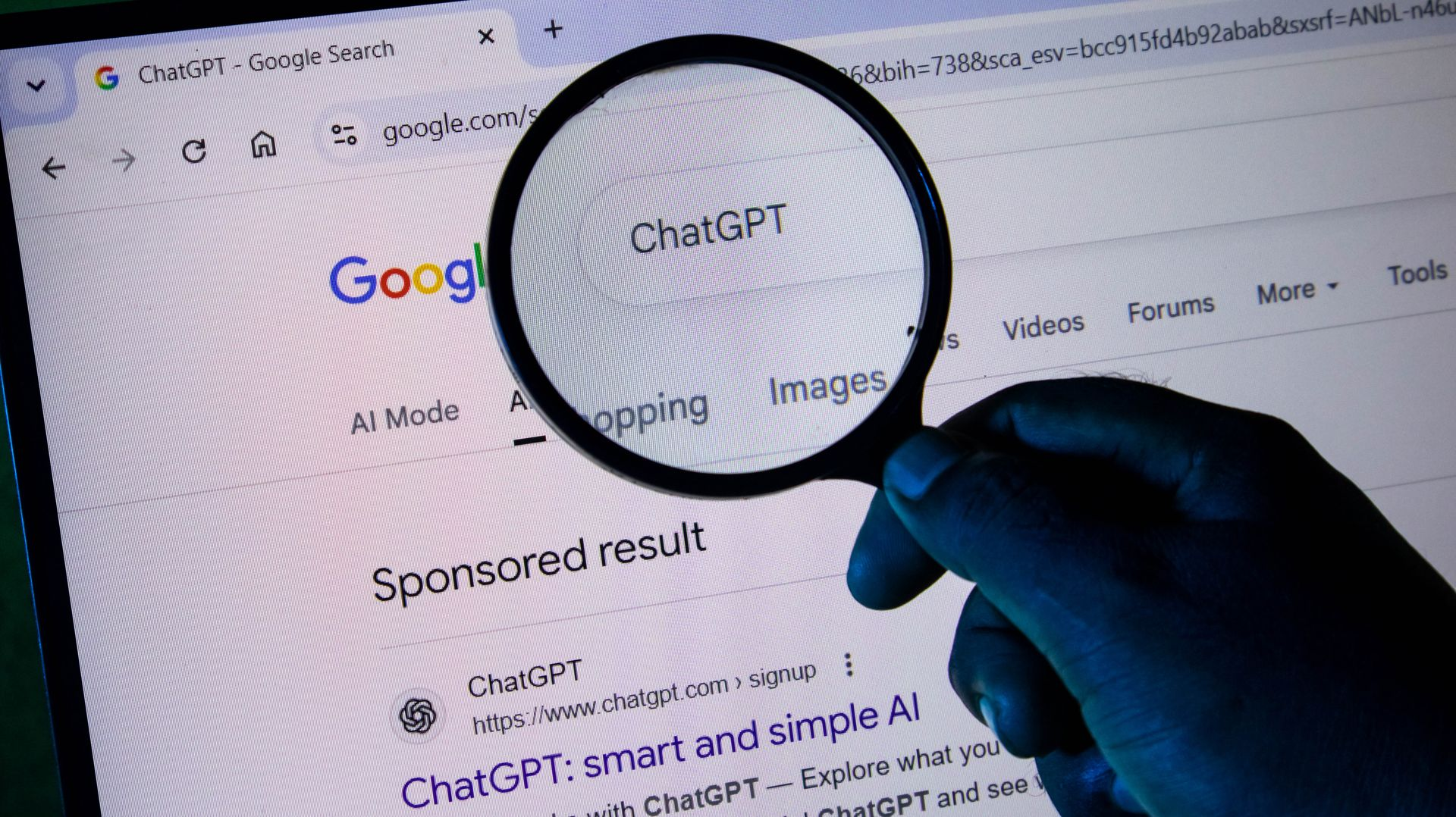
Your customers are still searching. They are just no longer searching in one place. They may start with Google, ask ChatGPT to compare their options, watch a YouTube video, look for examples on Instagram, read reviews, or open a map to find a nearby business. This does not mean your company needs to chase every new platform. It also does not mean SEO is dead. The best response to fragmented search is to strengthen the foundation you already have. Build a clear, credible website, answer the questions your customers ask, share real expertise, and ensure your business appears consistently on the platforms that matter to your audience. AEO, or Answer Engine Optimization, is part of that approach. It helps search engines and AI tools find and understand your answers, but it works best when it is built on strong SEO . Why Are Customers Searching in So Many Different Places? Customers are searching in more places because they now have more ways to find the type of information they want. Every Monday during our BlinkJar staff meeting, each person brings an industry update to discuss. One recent conversation about artificial intelligence and its impact on search reminded me of what happened to television. Jared, my husband and BlinkJar’s founder , spent years working in television. At one time, a few broadcast networks held most of the audience. Then cable created more choices. Streaming services, YouTube, social video, and on-demand programming divided attention even further. Television did not disappear. People gained more ways to watch. Search is moving in the same direction. A prospective customer may search Google for a service, ask an AI assistant to explain the differences between providers, watch a video to see how something works, and read reviews before visiting a company’s website. The challenge is not that Google has stopped working. It is that businesses can no longer assume every customer will begin there. Does My Business Still Need SEO? Yes, your business absolutely needs SEO as it remains the foundation of being discovered online. Google continues to drive valuable, high-intent traffic for businesses. A strong website also gives AI tools, maps, social platforms, and prospective customers a reliable place to learn who you are and what you offer. Your website needs clear service pages, useful location information, simple navigation, relevant internal links, and a sound technical structure. Search engines must be able to crawl, index, and understand your pages. Traditional SEO is not being replaced. It is supporting a larger discovery ecosystem. Think of your website as your company’s home base. Social media, maps, reviews, search engines, and AI tools may help customers find you, but your website is where you control the complete story. 
Kingsley Working
By Kingsley Lavender July 20, 2026
Kingsley Lavender shares what he learned as a marketing intern at BlinkJar Media, including SEO, website updates, content marketing, and real-world agency experience.
By Caroline Thaxton July 10, 2026
Artificial intelligence is changing the way businesses approach content marketing , social media marketing , and digital communications. AI can generate ideas, streamline workflows, and help marketers create content faster than ever before. At Blinkjar, we embrace AI as a powerful tool, but we also know the most impactful marketing still begins with something technology can't replicate: a genuine human connection. As a Creative Content Specialist at Blinkjar , some of my most valuable work happens away from my desk. Meeting with clients, visiting their businesses, and building real relationships gives me a deeper understanding of who they are and what makes their brands unique. Those face-to-face interactions help me create authentic content that reflects each client's personality , values, and story. Can AI Really Tell Your Brand's Story? Every business has a story worth telling . While AI can help organize information, brainstorm ideas, and improve efficiency, it can't experience a company's culture, observe customer interactions, or hear the passion behind why a business was started. That’s why every interaction matters. Whether we’re on a call, exchanging emails, meeting in person, capturing photos and videos, or simply talking through new ideas, each touchpoint helps us better understand the businesses we support. These conversations allow us to see how a brand operates, hear the stories behind the work, and uncover the details that make it unique. Those real insights often become the foundation for stronger content because they reveal perspectives that AI simply can’t generate. How Do Client Conversations Lead to Better Content Marketing? The more time I spend with the businesses we support, the better I can represent their brand. Photoshoots are one way those connections happen, but many of my strongest content ideas come from everyday conversations, planning calls, emails, meetings, and moments when a client shares something we would not have known otherwise. Those small details often become the difference between content that feels generic and content that feels true to the brand. Whether we're discussing a new project, talking through their day-to-day operations, or simply catching up, those conversations give me the context I need to write content that's accurate, authentic, and true to their voice. Instead of relying on assumptions, I can pull directly from their experiences, expertise, and personality . That's what transforms content from informative to meaningful.